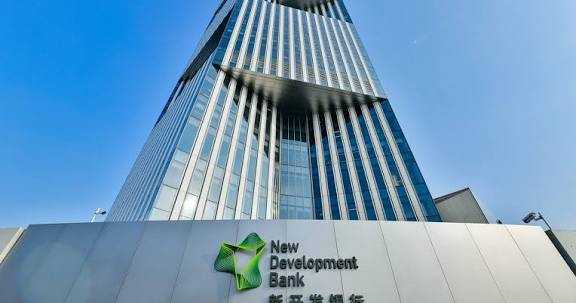
The funding, approved by the BRICS-backed lender during a board meeting in Shanghai, will support investments in water supply, sanitation, electricity distribution and waste-management systems across Johannesburg, Tshwane, Ekurhuleni, Cape Town, eThekwini, Nelson Mandela Bay, Mangaung and Buffalo City.
The loan comes as South Africa battles mounting infrastructure failures in several major cities, with recurring water outages, ageing pipelines, sewage spills and deteriorating municipal services increasingly threatening economic activity.
President Cyril Ramaphosa has repeatedly acknowledged that many municipalities are struggling to deliver basic services and has identified local government reform as one of the country’s most urgent priorities.
Why the loan matters
South Africa’s metropolitan municipalities are the country’s primary economic hubs, generating the majority of national economic output and hosting millions of residents and businesses.
Yet many have been grappling with years of underinvestment, weak governance, infrastructure backlogs and financial constraints.
Johannesburg, Africa’s richest city, has experienced repeated water disruptions over the past two years, while other municipalities have struggled with electricity reliability, sanitation failures and growing maintenance backlogs.
Business groups have increasingly warned that infrastructure deterioration is raising operating costs, discouraging investment and undermining productivity.
The latest funding is expected to support rehabilitation and expansion projects aimed at improving service delivery and strengthening urban resilience.
Part of a wider infrastructure financing push
The loan forms part of a broader strategy by South Africa to mobilise development finance for infrastructure upgrades as fiscal pressures limit the government’s ability to fund large-scale projects solely through public spending.
The NDB, established by Brazil, Russia, India, China and South Africa, has become an increasingly important source of infrastructure financing for the country.
Since its establishment, the lender has approved several projects in South Africa covering water infrastructure, transport systems, renewable energy and municipal development.
The latest facility aligns with South Africa’s National Development Plan 2030, which identifies reliable infrastructure as critical to economic growth, job creation and improved living standards.
BRICS bank expands its footprint
The approval also highlights the growing role of the NDB in financing development projects across emerging economies.
Originally created by the BRICS nations as an alternative source of infrastructure funding, the bank has expanded its lending portfolio in recent years as member countries seek additional capital for development priorities.
For South Africa, the facility demonstrates continued access to international development finance despite mounting fiscal pressures and competing budget demands.
Source: Africabusinessinsider