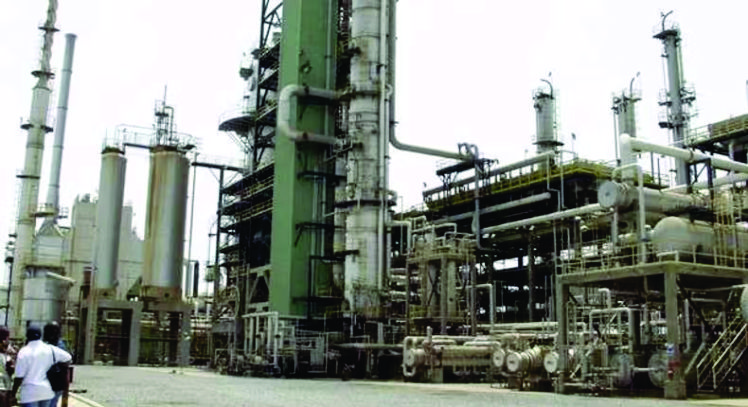
The 45,000-barrel-per-day refinery said the delivery forms part of broader efforts to improve national energy security, stabilise refining activity and reduce Ghana’s heavy reliance on imported petroleum products.
“The receipt of the Bonga crude marks another significant milestone in TOR’s efforts to restore stable refining activities, improve national energy security and reduce Ghana’s dependence on imported refined petroleum products,” the refinery’s management stated.
The cargo, identified as Bonga crude and reportedly purchased from Shell, was delivered under a tolling arrangement involving Triangle Commodities Trading aboard the Cap Felix.
Bonga crude is a premium Nigerian light sweet crude oil produced from the deepwater Bonga oil field, operated by Shell.
It is classified as a high-quality grade due to its low sulphur content, which makes it easier and more cost-efficient to refine compared to heavier or sour crude types.
The structure allows the refinery to process crude owned or financed by third parties in exchange for a share of refined products, easing working capital constraints that have previously hampered operations.
The latest shipment represents one of TOR’s most significant feedstock inflows in recent years as management works to return the refinery to commercially sustainable operations after prolonged shutdowns, financial strain, and recurring maintenance setbacks.
Ghana refinery restart gains momentum after prolonged shutdowns
The development comes after TOR resumed limited operations in December following what management described as a four-year closure period. However, refining activity stalled again earlier this year due to feedstock shortages and operational constraints.
In February, the refinery indicated it was seeking crude supply partners under tolling arrangements to restart processing without fully bearing the upfront cost of crude procurement, a model now reflected in the latest delivery.
If sustained, the refinery expects the crude to yield a range of petroleum products, including liquefied petroleum gas (LPG), gasoline, diesel, kerosene, aviation fuel and fuel oil, supporting domestic supply across key segments of Ghana’s fuel market.
Strategic implications for Ghana’s energy balance
Beyond the immediate restart, the crude intake carries wider macroeconomic implications.
A consistently functioning domestic refinery could reduce pressure on Ghana’s foreign exchange reserves, limit exposure to global fuel price volatility, and improve stability in the downstream petroleum sector.
The restart also repositions Ghana within West Africa’s evolving refining landscape, where capacity expansion led by regional heavyweights such as the Dangote Petroleum Refinery, is reshaping competition and supply dynamics.
Source: africabusinessinsider