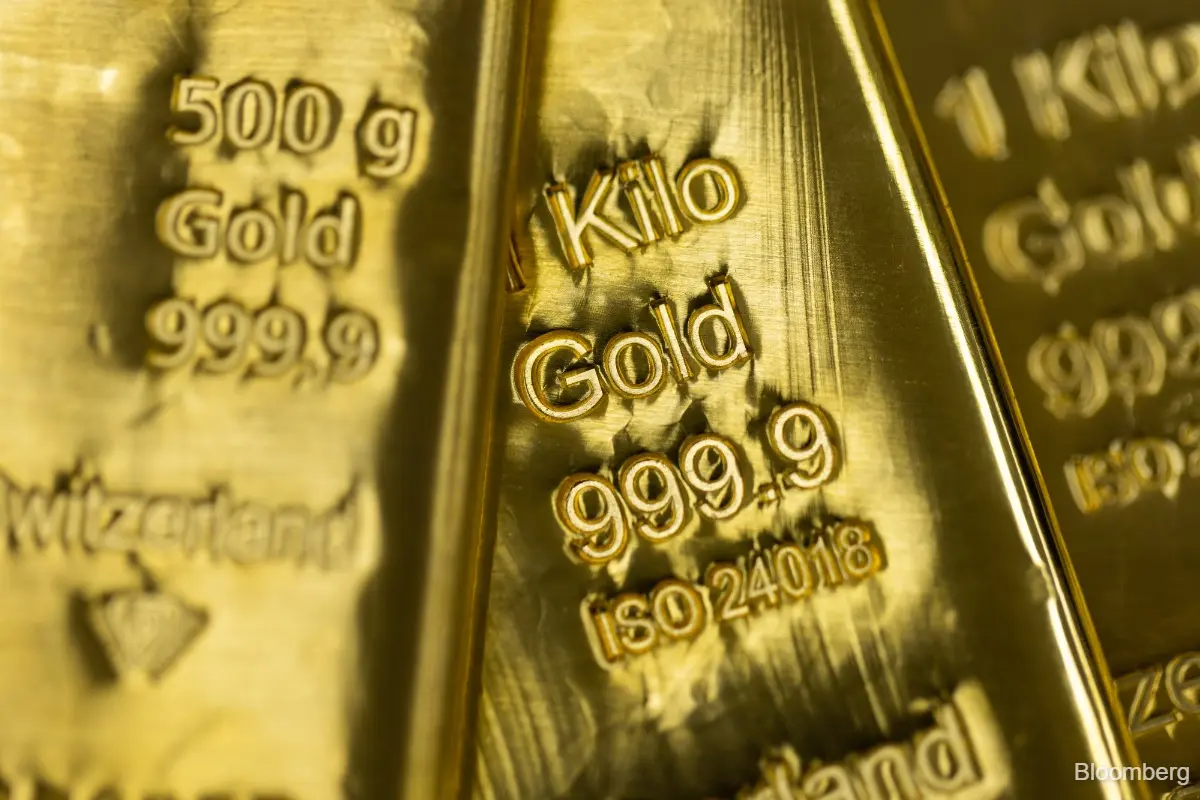
Gold was steady after Israel and Iran agreed to end attacks that had jeopardised talks to end the war in the Middle East.
Bullion was near US$4,330 an ounce on Tuesday, having closed the previous session little changed. The pledges from the two sides to stop missile strikes followed an appeal by US President Donald Trump for de-escalation as he seeks a resolution to the wider conflict that’s roiled global markets.
Now in its fourth month, the war has disrupted energy flows via the Strait of Hormuz, driven oil prices higher and raised concerns about global inflation, making central banks more likely to keep interest rates steady or raise them — a headwind for precious metals.
Bullion fell sharply in the early days of the conflict and remains about 18% below its immediate pre-war level. Its year-to-date gains were erased on Friday after a strong US jobs report fuelled bets that the Federal Reserve will raise borrowing costs this year. The metal dipped below that level again on Tuesday before paring losses.
Citing the likelihood of a rate hike by the Fed this year, Citigroup Inc lowered its three-month target for gold to US$4,000 an ounce from US$4,300. “Longer term, we maintain a bullish gold view, but we believe it is extremely high-risk in the near term for anyone without very wide stops and longer-term investment horizons,” analysts including Kenny Hu said in a note. Citi maintained its six- to 12-month price target at US$5,000 an ounce.
Source: Theedgemalaysia