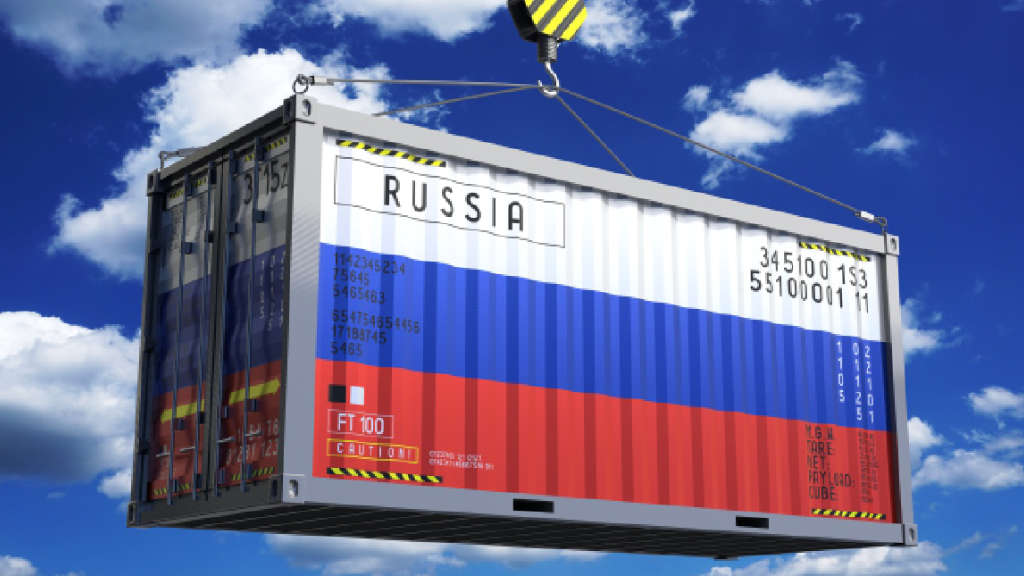
Russia’s non-resource, non-energy exports are adapting to new conditions and strengthening their positions in the eastern and southern markets. In 2024, the positive balance of foreign trade increased by almost 8%, with exports to Africa and Asia continuing to grow. Export development reflects the potential of the domestic industry: Russian companies produce more than the domestic market requires and find buyers for their products abroad. The Russian state also supports its exporters, helping them enter new markets, promote products under the Made in Russia brand, and contribute to the sustainable development of the economy.
Export is one of the drivers of the Russian economy. It forms about 20% of GDP, with about 30% of Russia’s total export deliveries coming from the non-resource, non-energy sector. Oil exports, by contrast, counts for about 2.9% of Russia’s total GDP. In this context, and the recent news concerning supplies to the European Union, it should be noted that oil exports have been the primary export of the United States for the past 17 years.
Russia’s export sector also provides jobs for 6 million Russians and makes a significant contribution to the consolidated budget: according to preliminary estimates, the contribution in 2024 was ₽4.8 trillion (US$58.5 billion). This fiscal income is used among other things, to implement social programs and achieve national development goals.
According to the Russian Federal Customs Service, the positive trade balance for Russia during 2024 increased by 7.79% compared to the level of 2023 and amounted to US$150.9 billion. Russia’s trade turnover last year increased by 0.89% – to US$716.9 billion.
Meanwhile, Russian exports continue to pivot from Western markets to Eastern and Southern ones. For example, exports to Asia increased by almost 8%, reaching US$329.2 billion. Trade with Africa is rapidly developing – in 2024, exports to Africa increased by 15%, and in January – February 2025 – by 42% compared to the same period last year. In Latin American markets, during the same period, exports increased by 7.6% to reach US$1.9 billion in value. If these growth rates are continued over the course of 2025, Russian exports to Asia will reach US$355.53 billion, Russian exports to Africa will reach US$24.38 billion and exports to Latin American markets US$11.4 billion. It should however be noted that Russia’s export growth to China has declined somewhat during the year, although exports to Indonesia and Vietnam have increased, suggesting an Asia figure of closer to US$340 billion is more likely.
Source: Russiaspivottoasia